- Lorem ipsum
- Lorem ipsum
- Lorem ipsum
- Lorem ipsum
- Lorem ipsum
- Lorem ipsum
- Lorem ipsum
- Lorem ipsum
- Lorem ipsum
- Lorem ipsum
- Lorem ipsum
- Lorem ipsum
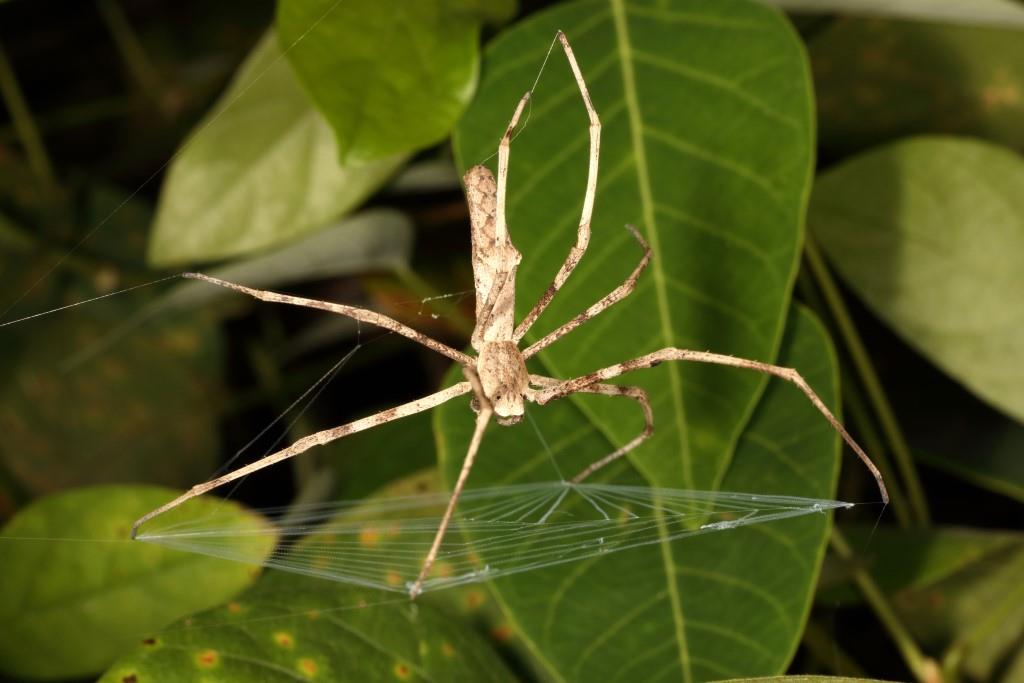
A long, thin-bodied spider that constructs a remarkable silken net used to throw over passing prey. Asianopis subrufa, commonly known as the net casting spider, is a fascinating arachnid with elongated front legs that it uses to cast a net to capture prey.
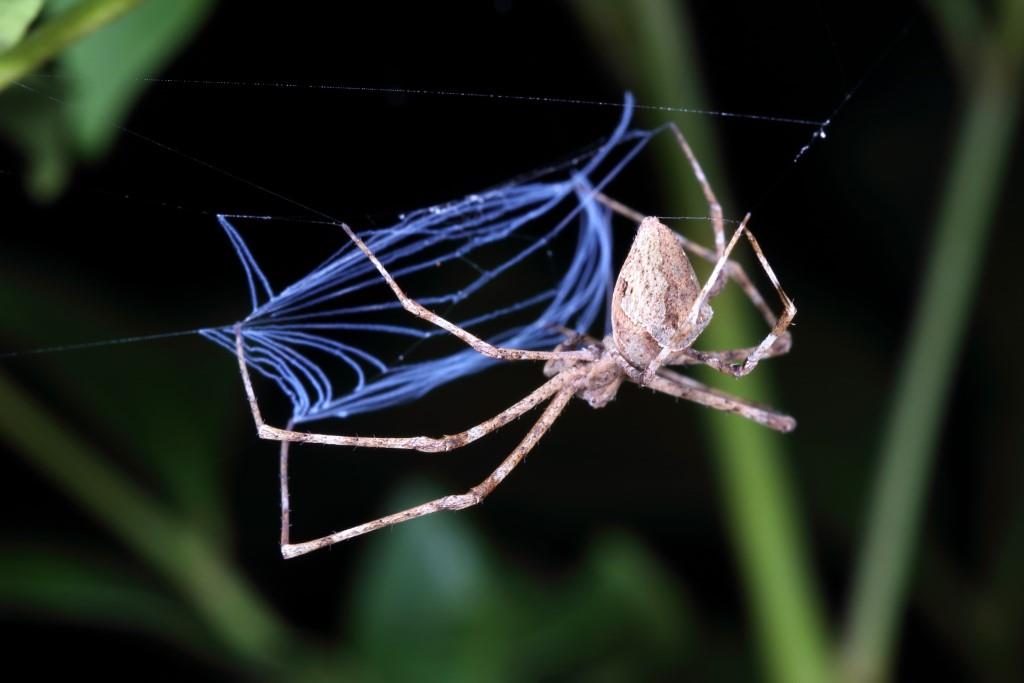
Build rectangular nets at night for trapping prey. The net casting spider, Asianopis subrufa, possesses unique identifying features including elongated front legs for casting a net.
 ?>
?>
 ?>
?>
 ?>
?>
 ?>
?>

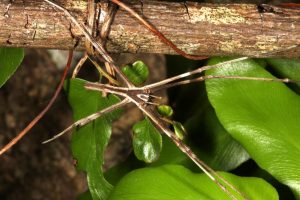
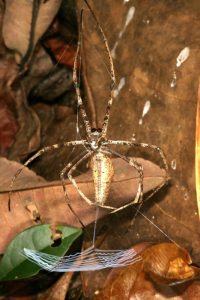
L.Koch 1878
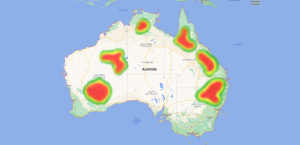
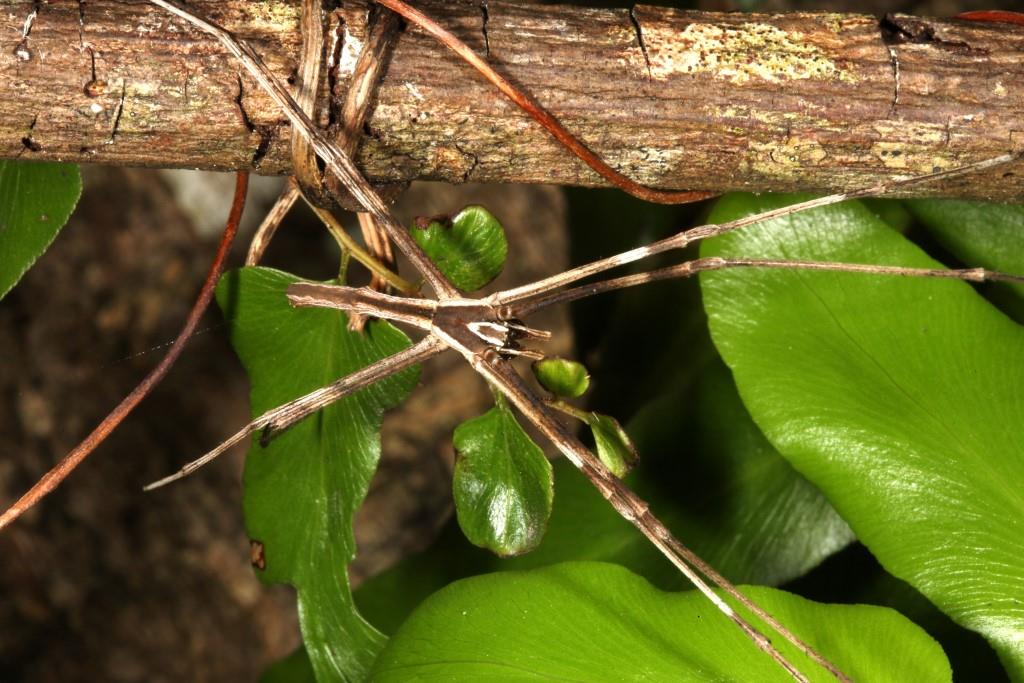
Females are large-bodied spiders, surprisingly well camouflaged amongst foliage, even when active. Males are similar to females but have proportionately smaller, thinner bodies and longer legs.
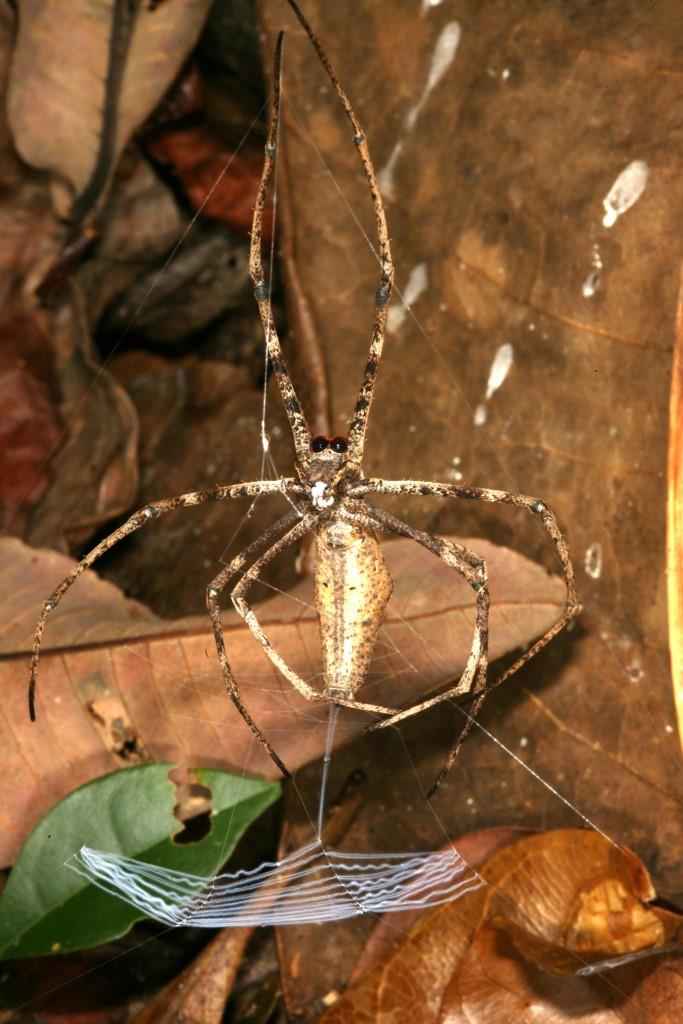
There is much variation in the colour and pattern of this species, ranging from pale yellow to almost black, often with bands on the legs or stripes on the body, but they are readily identified by their characteristic shape and enormous eyes at the front of the head.
Males are 12-18mm long and females 20-25mm.
Found in all Australian states. They appear to be most common in coastal areas. Their presence is sporadic, common over small areas in some years but absent in others
This species occurs in dry eucalypt forests, woodlands, heathlands and suburban parks and gardens. They are common in sheltered locations along creeks or underneath rock overhangs. The spiders are common in backyards particularly in Sydney and Brisbane, where they hunt amongst small shrubs and in undisturbed areas.
All stages of the life cycle are active nocturnally.
Towards the end of summer, the female produces a spherical brown egg case of very strong silk, 10-12mm in diameter, which takes several hours to construct. The egg case ranges in colour from pink-brown to very pale yellow-brown with darker mottling. The outer covering is waterproof and the inner layer is made of a thick padding of fluffy white silk produced as a single thread up to 5m long. The sac is suspended by short threads of silk amongst dead leaves attached to a branch near the web and is then abandoned. It contains 120-220 round, pale green eggs, each about 1.5mm in diameter.
After emerging from the eggs, the spiderlings remain nearby in a group for several weeks, spinning a few strands of fine web and feeding on very small insects. They then disperse into the air on fine silk strands (called ballooning) and set up a larger web in which they begin to hunt on their own. The webs are not permanent but the spiders appear to remain in particular locations for as long as sufficient food is available.
Females continue capturing prey throughout their lives, but males abandon prey capture once becoming mature during summer and travel in search of a mate. Upon finding a female, the male remains at the edge of her web for some time, then uses his front leg to jerk a silk strand connected to her web (called a mating thread). The female becomes aware of his presence by the rhythmic vibrations, and after a time the male will move onto her web and mate with her. Mating begins with the male transferring sperm from a small opening in his abdomen to a tiny triangular piece of silk (called a sperm web). He then sucks it up into specialised organs on his palps in front of the head, then reaches around and injects it into the female’s reproductive opening under her abdomen (called an epigynum). The male dies soon after mating.
Net Casting Spiders are able to catch live, fast-moving prey because one pair of their four pairs of eyes are very large with extremely good vision, and this pair obscures the other three pairs mounted on top and sides of the head.
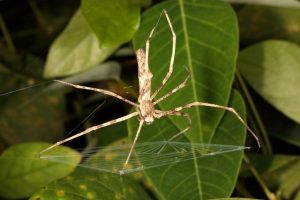
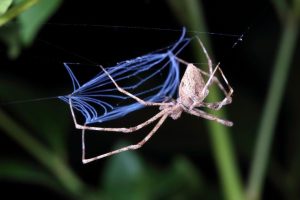
They trap their prey with one of the most remarkable techniques in the animal kingdom. Around dusk, the spider constructs a small rectangular net, about 25-30mm long and 20mm wide. The framework of the net is made of dry silk and onto this is laid a series of sticky and elastic cross-threads (called cribellate silk), which make up the mesh and give the net a fluffy appearance. The cribellate silk is drawn out of the spider’s silk glands at the end of the abdomen by specially designed combs on the back legs that draw out the silk.
When the net is finished, the spider hangs head downwards, suspending its body on a framework of non-sticky silk with the four back legs, holding the net ready with the four front legs. If prey comes within range, the spider expands the net to many times its original size in an instant and thrusts it forwards and downwards over the prey, wrapping it in the sticky silk. The struggling prey becomes further entangled in the web and the spider eats it through the silk.
New nets are made after the first one is used, and if a net remains unused by morning, the spider will either eat it or leave it in place, suspended in the web, while it spends the day nearby. The following evening the spider gently picks up the old net and resumes waiting.
The spiders often hang suspended a few centimetres above a branch and capture insects such as ants and cockroaches moving along below, but they will also pluck flying insects out of the air, including moths and flying termites.
At least one species of tiny wasp lays its eggs into the spider egg sac but the wasp larvae do not apparently feed on the spider eggs themselves, possibly on the remains of the eggs and the wastes left behind by the spiderlings
When disturbed during the day, Net Casting Spiders move rapidly through foliage by swinging gracefully from one leaf to the next, finally settling down in the characteristic position when the disturbance has passed.
Net Casting Spiders are active at night and spend the day resting suspended by silk in foliage, usually close to the ground. The back legs are held close to the body and the front legs are held out in front of the body in pairs, making the spider surprisingly well camouflaged. Sometimes all legs are held out from the body in pairs, in the shape of a cross.
Native.
No threat.
Although quite large, this species is rarely known to bite. The bite produces symptoms similar to that of a bee sting.